
Crate first, freedom earned. Any time you can't give your dog your full attention, a crate keeps it out of trouble, and that's the best way to keep bad habits from forming. Free roam is a great goal for a lot of dogs, but it works best when your dog earns it step by step instead of getting the whole house on day one.
I hear strong opinions on both sides. Some owners feel crates are cruel. Others crate their dog for most of the day. I'm 100% on board with the crate. When you can't have your eyes on your dog, the crate keeps it from chewing, having accidents or practicing habits you'll spend months undoing. But the crate is a tool, and like any tool, it comes down to how you use it.
What a crate is good for
- House training. Most dogs avoid soiling where they sleep, which makes a properly sized crate one of the best potty training tools there is.
- Safety. Puppies chew cords, swallow socks and get into the trash. A crate keeps them out of trouble when you can't watch them.
- Calm. A dog that learns to settle in a crate learns an off switch, and that helps everywhere else.
- Travel and emergencies. Vet stays, boarding, road trips and hurricane evacuations all go easier for a dog that's comfortable in a crate. Many pet friendly shelters ask that pets be crated.
How crates get misused
- Crating a dog most of the day without enough exercise and training
- Using the crate as punishment
- A crate that's too big for house training, or too small to be comfortable
- Leaving a crated dog in a hot garage, porch or car. In Florida heat, that can be deadly.
How long can a dog stay in a crate?
A common rule of thumb for young puppies is their age in months plus one, in hours, during the day. So a three month old pup can usually handle about four hours. Adult dogs can go longer, but no dog should spend most of its waking day in a crate. If your schedule doesn't allow for breaks, a dog walker, a midday visit or a training program can fill the gap.
What free roam gets you, and what it costs
A dog with the run of the house is comfortable, relaxed and part of the family. For a mature, trained dog, that's great. For a young or untrained dog, free roam means chewed furniture, accidents, counter surfing and a dog that barks at every noise in the neighborhood because it can patrol every window.
How to earn freedom step by step
- Start with the crate for alone time and overnight.
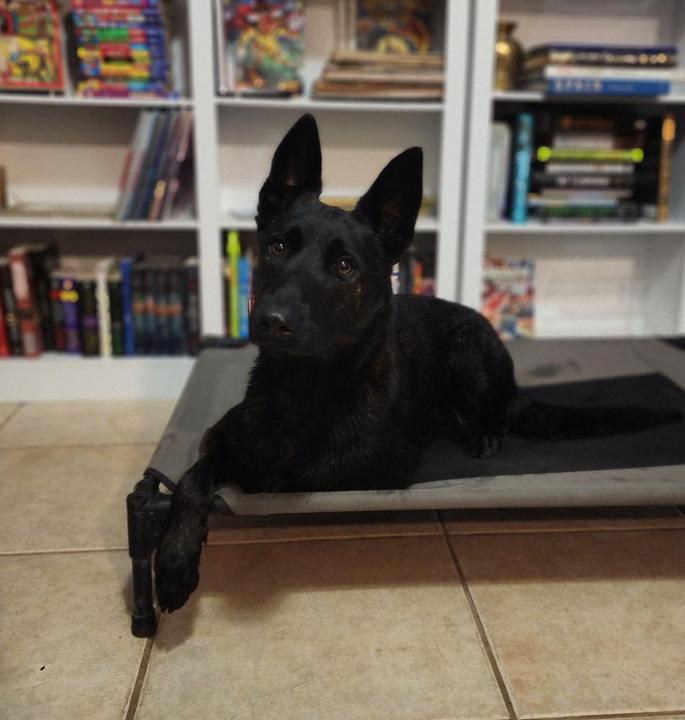
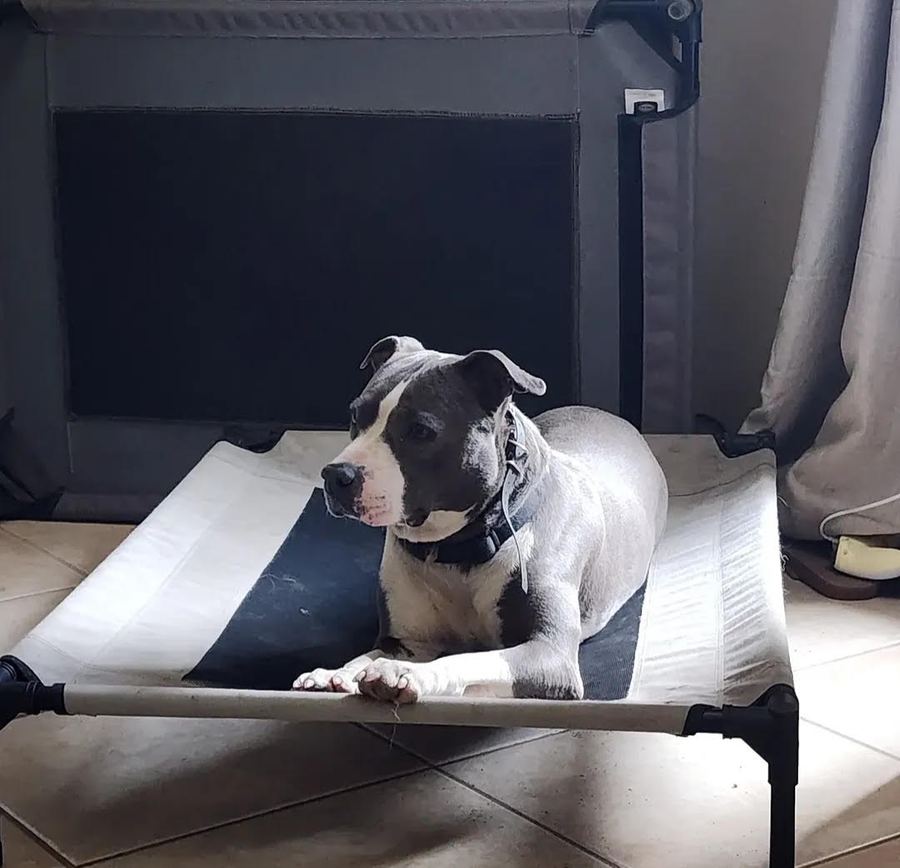
- Teach place. A raised bed or cot where your dog settles on command is the bridge between the crate and full freedom. It's one of the first things we build, and every dog in board and train works with both a crate and a place cot.
- Add one room. Use gates to give your dog a small, dog proofed area for short absences.
- Stretch the time. Leave for ten minutes, then thirty, then an hour. Check for chewing, accidents and restlessness.
- Open up the house once your dog has proven it can handle each stage, and go back a step if it can't.
Questions
Is crate training cruel?
Not when it's done right. A properly sized crate, introduced gradually and used for reasonable stretches, becomes a place many dogs choose to rest. It becomes a problem when it replaces exercise, training and time with the family.
Should the crate be in my bedroom?
For young puppies, having the crate near you at night often means less crying and easier potty breaks. You can move it later once your puppy is settled.
How do I stop my puppy from crying in the crate?
Make the crate a good place with meals and chews inside, start with short periods while you're home, and make sure your puppy has had exercise and a potty break first. Try not to let the puppy out while it's crying, or you teach it that crying opens the door.